


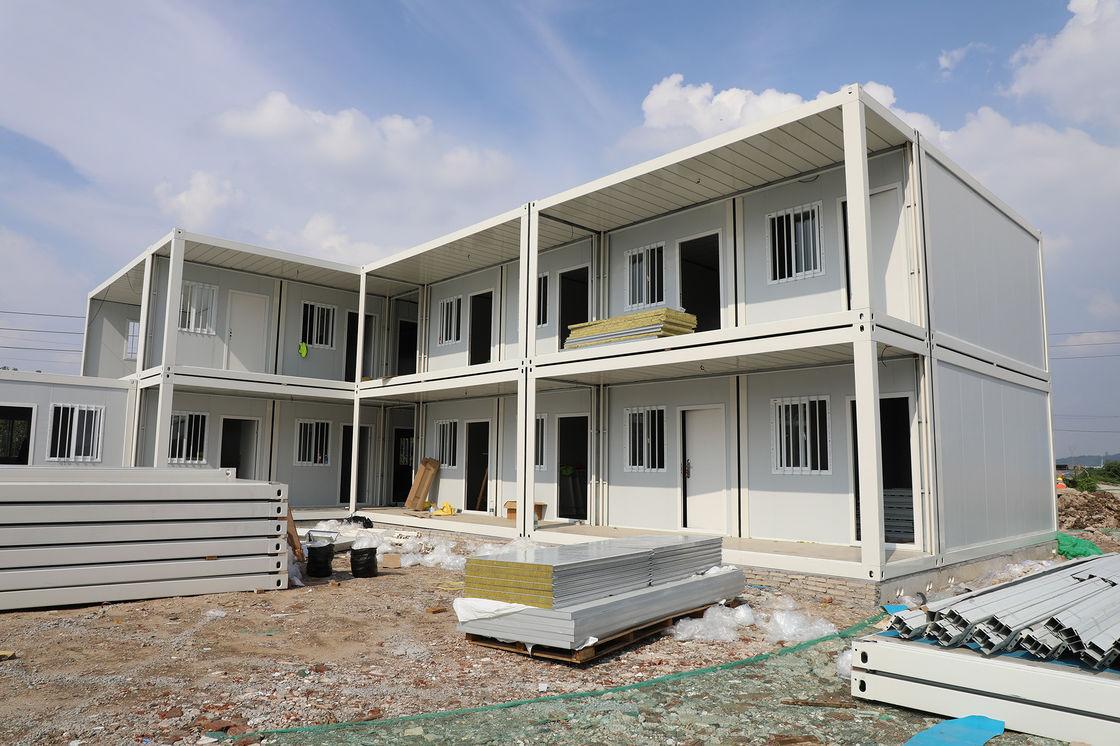


A Complete Guide to Installing a Folding Container House
Folding container houses are rapidly becoming one of the most practical and sustainable housing options worldwide. Whether for a mobile office, a temporary shelter, or a modern prefab home, these foldable units combine flexibility, durability, and affordability.
In this complete folding container house installation guide, we’ll walk you through each stage—from site preparation to final customization—so you can complete your setup safely and efficiently.

The Benefits of Folding Container House
Folding container houses are designed to simplify modern construction. They’re:
- Quick to install: can be assembled within a few hours
- Portable and flexible: easy to relocate or expand
- Cost-effective: significantly cheaper than traditional building methods
- Eco-friendly: made with recyclable materials and minimal waste
A report by the Journal of Building Engineering shows that prefabricated housing like folding container houses can reduce on-site waste by up to 60%, supporting global sustainability efforts.
How to Install a folding container house?

Step 1: Site Preparation
Choose a flat, stable site free from rocks or debris. A solid foundation is crucial to ensure your container home stays level and secure.
You can use:
- Concrete slab foundation for long-term setups
- Gravel pads or steel piers for temporary or mobile use
Good site drainage is essential, especially in tropical or rainy climates, to prevent moisture buildup beneath the unit.
Step 2: Unpacking and Unfolding the Container
Once the site is ready, use a crane or forklift to unload the container house carefully.
Most folding container homes arrive in compact form. To unfold:
1. Unlock and lift the top section with a crane.
2. Secure the safety rods before extending the side walls.
3. Push out the front and rear walls gently until they lock into place.
4. Tighten bolts and corner locks according to the manufacturer’s instructions.
Tip: Always check the CBOX installation video or guide for exact lifting points and hook positions.

Step 3: Securing the Structure
After the unit is fully opened, fasten all corners, wall joints, and roof panels using the supplied bolts and brackets.
In windy or unstable soil areas, consider adding ground anchors or steel straps for extra stability.
Proper alignment ensures a longer lifespan and minimizes maintenance.
Step 4: Doors, Windows & Insulation
Next, install the doors and windows, ensuring all seals are tight to prevent leaks.
Most folding container houses come with pre-fitted insulation panels; however, additional insulation can improve temperature control in hot or humid regions.
Recommended materials:
- Spray foam insulation
- Rock wool or rigid foam boards
- Reflective foil for roof heat protection
Step 5: Electrical and Plumbing Setup
Hire certified professionals for electrical and plumbing work to meet local regulations.
- Electrical: install conduits, switches, and outlets before finishing the walls.
- Plumbing: connect water inlets and drainage to external systems.
These connections make your container home fully functional for residential or commercial use.
Step 6: Interior Finishing & Customization
Finally, personalize your container home to suit your lifestyle.
Add flooring, paint, and modular furniture to create a comfortable living space.
You can also integrate solar panels, rainwater collection systems, or smart lighting to enhance sustainability and reduce energy costs.
Pro Installation Tips
✅ Always follow the manufacturer’s assembly manual.
✅ Check local building permits and safety standards before installation.
✅ Inspect bolts, seals, and joints regularly for long-term performance.
According to the International Journal of Renewable Energy Development, adding renewable systems to prefab homes can cut energy usage by 40%—making folding container homes both practical and sustainable.
Conclusion
Installing a folding container house is a straightforward process when planned carefully. By following these steps, you can complete the setup efficiently and enjoy a durable, eco-friendly, and comfortable modular living space.
Whether for residential, business, or on-site accommodation, folding container houses are redefining how we build — offering a smarter, faster, and greener way to live.