


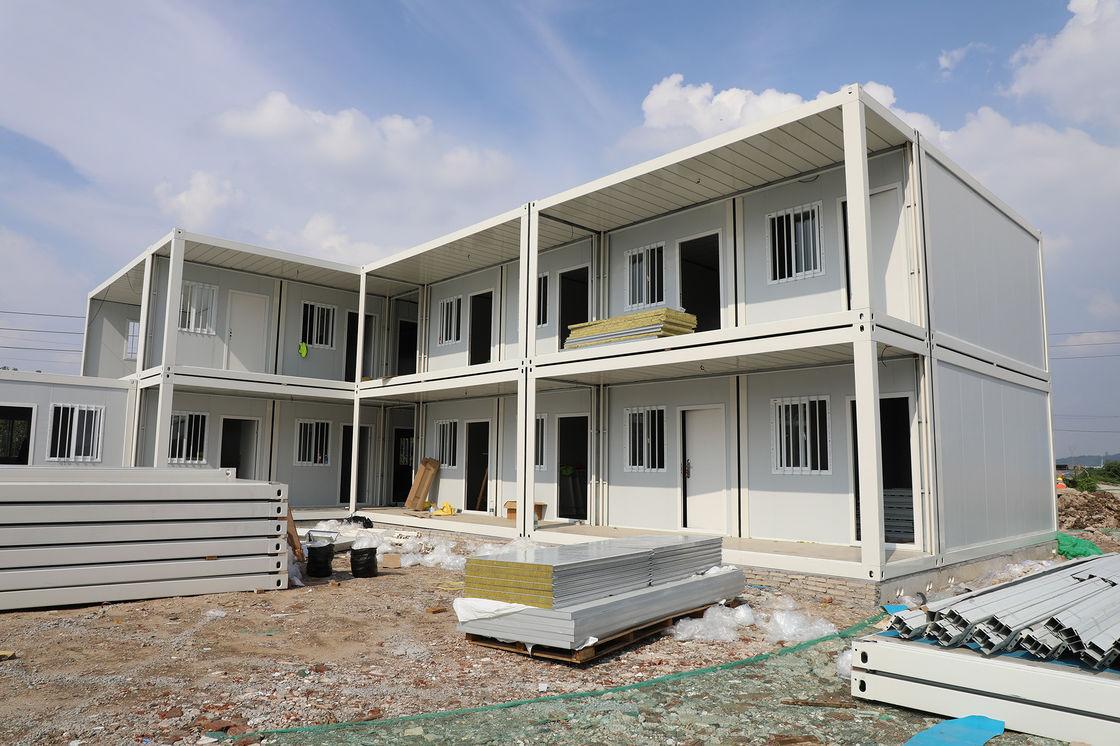


Are Shipping Container Homes Safe in Every Scenario?
Shipping container homes have surged in popularity as a sustainable, customizable, and cost‑effective alternative to traditional housing. But when you’re considering this option, the most important question is: Are shipping container homes safe in every scenario? In this comprehensive guide optimized for shipping container homes and container home safety, we break down structural integrity, environmental risks, health considerations, legal compliance, and practical safety measures—so you can decide with confidence.
Why Shipping Container Homes Are Considered Safe
Before diving into potential risks and safety measures, it’s essential to understand why shipping container homes are widely seen as a viable housing choice.
Durable Steel Structure & Weather Resistance
At their core, shipping container homes are made from Corten steel, originally engineered to withstand global transport and severe weather. This gives container homes several inherent safety advantages:
- High structural integrity that resists deformation under load
- Corrosion and rust resistance, extending usable lifespan
- Superior durability compared with standard timber framing
- Resistance to heavy rain, snow, and moderate wind events
This makes them strong candidates for areas prone to weather variability—when properly adapted for residential use.
Security & Modular Flexibility
Container home designs are naturally secure:
- Steel walls form a tight, secure shell
- Customized doors, reinforced windows, and modern locking mechanisms improve safety
- Modular design allows multi‑unit layouts with engineered stability
Thanks to this structure, shipping container homes can offer comparable security to traditional builds, with the added benefit of being highly customizable and modular.

Shipping Container Homes: Risks and Limitations
Even with strong structural fundamentals, it’s important to understand where risk can arise—and how it affects container home safety in different scenarios.
Extreme Weather & Tornado Safety
While no home is entirely tornado‑proof, container home tornado safety is influenced by key factors:
- Foundation anchoring: Containers not secured to engineered foundations can be uplifted by strong winds
- Design alterations: Large cut‑outs (windows/doors) reduce inherent wind resistance unless reinforced
- Regional criteria: Codes vary depending on tornado risk zones
Proper engineering, anchoring systems, and structural reinforcement help shipping container homes better resist high wind events.
Structural Modifications & Load Concerns
Modifying container walls without adequate reinforcement can weaken structural performance. Multi‑container layouts must be engineered to ensure:
- Load distribution between stacked units
- Appropriate support at cut‑out areas
- Compliance with residential structural standards
A poorly executed modification can introduce safety issues that wouldn’t exist in conventional builds.

Comprehensive Safety Measures for Shipping Container Homes
Understanding risks leads naturally to how you mitigate safety issues. Here are the most important aspects of ensuring your container home is safe in every scenario.
Fire Safety Considerations
The steel structure of shipping container homes provides an initial advantage: non‑combustible framing. However, actual fire safety depends on interior elements:
- Use fire‑resistant insulation (e.g., mineral wool) and interior finishes
- Install smoke detectors and fire suppression systems
- Ensure electrical systems are professionally designed and code‑compliant
Together, these measures create an integrated fire safety strategy.
Chemical & Health Safety
Old containers may contain hazardous chemicals from marine coatings or previous cargo. Addressing this is essential for container home health safety:
- Original paint removal or encapsulation to avoid lead, chromates, or toxic coatings
- Floor replacement or sealing, as shipping floors often carry pesticide‑treated wood
- Air quality testing for VOCs and residual contaminants
These steps contribute to a healthier long‑term living environment.
Insulation, Ventilation & Temperature Control
Steel transfers heat and cold quickly, which makes insulation and ventilation essential for comfort and safety:
- High‑quality insulation protects against extreme temperature swings
- Proper ventilation prevents condensation and mold
- HVAC systems optimize year‑round comfort
Insulation and air quality directly impact both safety and livability.
Regulatory Compliance & Professional Guidance
Safety isn’t just about materials; regulatory compliance and professional oversight are crucial.
Building Codes & Zoning
- Local building codes may dictate requirements for permanent container homes
- Zoning restrictions can affect placement, especially near protected lands or historic sites
- Consulting architects familiar with container home regulations ensures compliance and safety
Engineering Review & Certifications
- Multi-unit stacking or large cutouts require structural engineering certification
- Professional review validates that your design can withstand environmental stress and load requirements
- Compliance with professional standards enhances container home safety
Key Considerations Before You Build
- Professional build quality: Ensure structural and safety modifications are handled by experts
- Permits & approvals: Obtain necessary permissions early to avoid delays
- Insulation & moisture control: Plan HVAC and insulation systems to prevent condensation and mold
Taking these steps ensures your shipping container home is safe, compliant, and durable.
Best Practices for Maximum Safety and Longevity
To ensure your shipping container home is safe, durable, and long‑lasting, follow these practical steps:
- Choose new or A‑grade containers with documented history
- Secure with engineered foundations and anchoring systems
- Use professional engineers and contractors for modifications
- Install quality insulation and ventilation systems
- Follow all local building codes and compliance checks
- Integrate fire safety systems and health‑safe materials
- Conduct regular maintenance and inspections
By combining smart design with professional execution, you enhance both safety and property value.
Conclusion: Safe, Sustainable, and Smart
Shipping container homes offer a compelling blend of strong structural safety, modular flexibility, and sustainable design. When thoughtfully engineered, compliant with local codes, and equipped with comprehensive safety systems, container homes can be safe in a wide range of scenarios—from daily living to extreme weather events and long‑term health considerations.
If you’re considering a container home and want expert support in planning or conversion, consulting with a professional team can help ensure safety and peace of mind.