

News




0102030405
Construction Site Temporary Housing: Maximize Productivity, Reduce Costs
2025-09-25
Long commutes, high hotel bills, and worker fatigue are hidden costs on construction projects. Your crew spends hours driving to the site each day, burning fuel and losing productivity before the first task begins. By afternoon, thoughts of the long drive home distract them from finishing their work. Hotels alone can eat up 15-20% of your project budget, amounting to hundreds of thousands over several months. Temporary on-site accommodation solves these problems by keeping crews close, rested, and focused on the job.
What is Temporary Accommodation on Construction Sites?
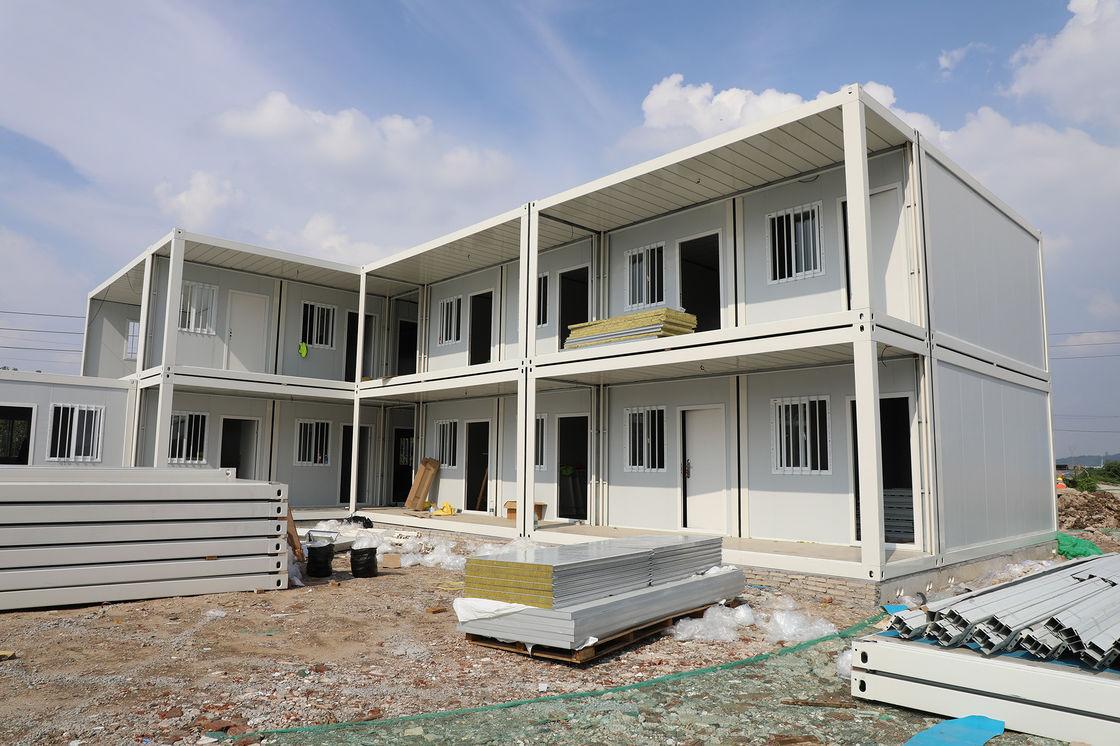
Temporary accommodation refers to short-term housing placed directly on or near the construction site. Options include modular housing units, RV setups, and worker camps positioned within project boundaries. By eliminating long commutes, crews start work on time, stay alert, and enjoy improved morale.
Key Benefits:
-
Reduced Commute Time: Walk to work in minutes, not hours
-
Lower Turnover: Retain workers who might otherwise leave due to travel stress
-
Cost Savings: Avoid hotel rates and fuel allowances
-
Better Safety: Rested workers have fewer accidents
-
Increased Productivity: Focus on tasks without travel distractions
-
Stronger Team Cohesion: Living and working together improves communication
-
Weather Protection: Comfortable housing during harsh conditions
-
Enhanced Site Security: Workers, equipment, and materials stay protected in one location
|
|
 |
 |

On-Site Housing Options (H2)
-
Modular Housing Units
-
Fully factory-built and pre-wired/plumbed
-
Stackable or connectable for larger crews
-
Can include kitchens, bathrooms, and shared common areas
-
Houses 1-4 workers per unit, with insulation for extreme temperatures
-
Setup typically takes 2-3 days once utilities are ready
-
RV and Travel Trailer Setups
-
Mobile housing for smaller crews or sites with utility hookups
-
Equipped with kitchens, bathrooms, and sleeping areas
-
Quick deployment and flexible relocation
-
Requires electrical, water, and sewer connections
-
Construction-grade RVs handle jobsite conditions better than recreational models
-
Worker Camps and Village Setups
-
Scales for large crews with full-service dining, recreation, and maintenance
-
Best for projects lasting 12+ months with stable crew sizes
-
Includes sleeping quarters, shared bathrooms, common areas, and administrative offices
-
Managed by professional operators to handle housekeeping, security, and medical facilities
 |
 |
 |
Planning On-Site Accommodation
Step 1: Assess Site Feasibility
-
Check soil conditions and utility access
-
Plan high-speed internet and emergency access
-
Research zoning restrictions early to avoid delays
Step 2: Understand Legal Requirements
-
Comply with OSHA, health, and building regulations
-
Factor in environmental regulations, stormwater management, and waste disposal
-
Include compliance costs in budgets
Step 3: Design Site Layout
-
Position housing close for convenience but safe from work zones
-
Plan flexible layouts for expansion
-
Account for traffic patterns and emergency routes
Step 4: Plan Utility Infrastructure
-
Centralize electrical, water, and sewer connections
-
Include shut-off valves and separate meters
-
Protect underground utilities from construction traffic
Step 5: Consider Workforce Needs
-
Prioritize privacy, quiet zones, and secure storage
-
Include single-occupancy units for conflict reduction
-
Provide kitchens or centralized dining based on crew size
Budgeting for On-Site Housing
-
Site Preparation: 15-25% of housing budget for grading, drainage, and access roads
-
Utility Connections: $300–$3,000 depending on distance from existing lines
-
Permit Fees: $500–$5,000, depending on jurisdiction
-
Removal and Restoration: 10-15% of total investment for dismantling units and restoring the site
Cost Optimization Tips:
-
Coordinate purchases across projects for volume discounts
-
Standardize unit types for easier maintenance
-
Plan seasonal moves to maximize usage
-
Invest in quality units for 5-7 years of service
 |
 |
 |
 |
Maintenance Best Practices
-
Repaint steel structures every 12–24 months
-
Avoid unauthorized modifications
-
Ensure safe electrical installations and proper insulation
-
Keep fire hazards away from units
Why Choose Infinite Stars Temporary Housing?
Infinite Stars offers prefabricated K-houses designed for maximum efficiency, safety, and comfort. With full control over production, installation, and camp planning, Infinite Stars provides solutions for worker dormitories, offices, cafeterias, medical units, and more. Their team customizes housing layouts based on project size, duration, and crew needs, ensuring compliance, cost-effectiveness, and long-term value.
Contact Infinite Stars Today Get your free quote and provide your construction crews with safe, comfortable, and productive housing. 24/7 WhatsApp Support available globally.