


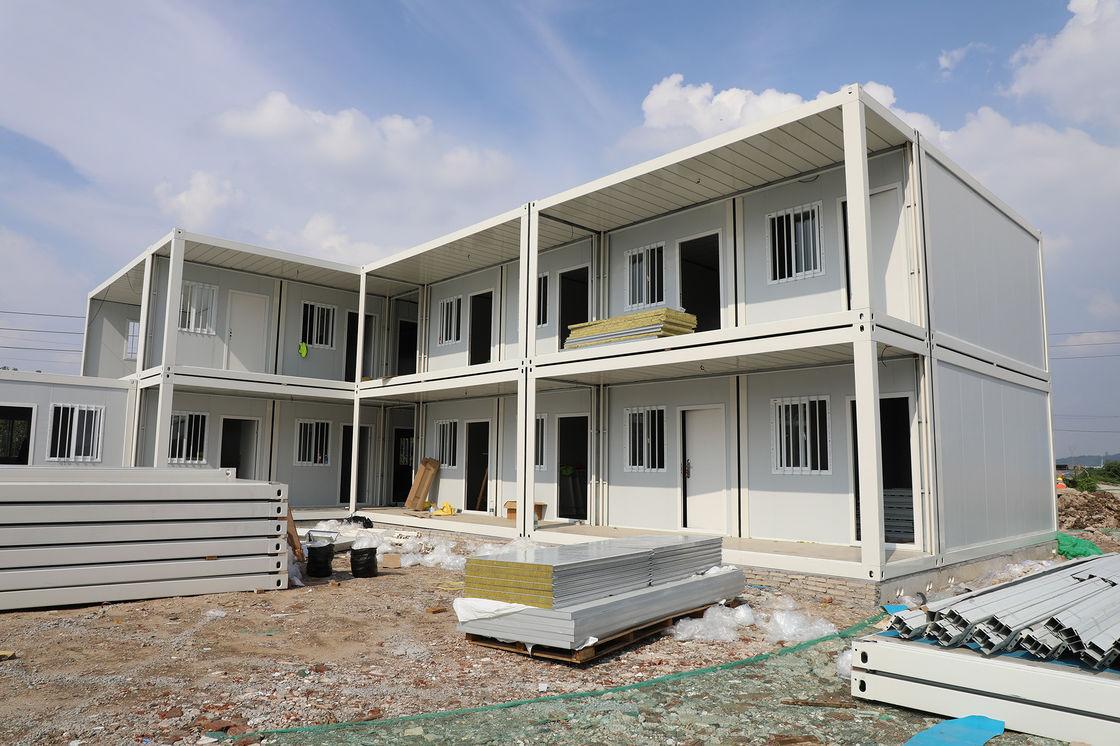


Folding Container Homes Market Trends in 2025
The Future of Affordable and Sustainable Living
As we look ahead to 2025, folding container homes are poised to reach new heights in popularity and innovation. With urbanization accelerating, environmental concerns mounting, and housing demands growing, this market is set to thrive. But what key trends will shape the industry in 2025? Let’s delve into the emerging patterns and transformative developments driving the folding container homes market.
- Sustainability Takes Center Stage
The global emphasis on sustainability will continue to influence the folding container home industry in 2025. Governments and consumers alike are prioritizing green construction, and container homes are a natural fit. They minimize construction waste and utilize eco-friendly materials.
Moreover, the integration of renewable energy solutions like solar panels and wind turbines will become a standard feature. For instance, recent advancements in energy storage technology, such as Tesla’s Powerwall, are expected to complement these homes, allowing for completely off-grid living. A study by McKinsey predicts that green housing could account for 40% of new residential developments by 2030, and folding container homes will undoubtedly play a significant role in this shift.
- Rising Demand in Urban Centers
As urban populations grow, space efficiency will become even more critical. In 2025, folding container homes will be increasingly used in high-density areas as a solution to land scarcity. Their stackable and modular designs make them ideal for urban settings, where maximizing vertical space is essential.
Cities like New York and Singapore are already experimenting with micro-communities of container homes, offering affordable living options in prime locations. These developments will expand further in 2025, supported by public-private partnerships aimed at addressing housing shortages.
- Innovations in Smart Technology
The adoption of smart technology in folding container homes will reach new levels in 2025. Advanced home automation systems, including AI-powered climate control, voice-activated assistants, and IoT-integrated appliances, will become standard offerings.
For example, smart glass windows that adjust transparency based on sunlight or weather conditions are gaining traction in the industry. Companies like Suzhou Stars Integrated Housing Co., Ltd. are already exploring partnerships with tech providers to bring these innovations to market, creating homes that are not only functional but also highly intelligent.
- Expanding Applications Beyond Residential Use
In 2025, folding container homes will extend their reach beyond traditional residential applications. Businesses are increasingly turning to container solutions for pop-up stores, cafes, and mobile offices. Governments and NGOs are also using them for emergency shelters in disaster-stricken areas.
For example, after the 2023 Turkey-Syria earthquake, container homes provided immediate housing relief, a trend likely to continue as climate change exacerbates natural disasters. This diversification will open new revenue streams and increase market stability for manufacturers.
- Regulatory Adaptations and Standardization
One significant trend to watch in 2025 is the global push for regulatory standardization. Historically, zoning laws and building codes have been barriers to container home adoption in many regions. However, governments are now recognizing their potential to address housing crises.
In the EU, new policies are being introduced to streamline container home construction, making it easier for developers to obtain permits. Similarly, countries like India and South Africa are creating incentives for sustainable housing solutions, further fueling the market’s growth.
- Increased Customization and Luxury Features
As consumer preferences evolve, the demand for personalized and luxurious folding container homes will rise. By 2025, buyers will expect high-quality finishes, innovative designs, and bespoke interiors.
For example, some manufacturers are already offering luxury container homes equipped with rooftop gardens, infinity pools, and high-end appliances. This trend will cater to a growing segment of affluent buyers looking for unique, eco-friendly homes that reflect their lifestyle.
- Challenges Ahead: Climate Adaptation and Material Innovation
While the market outlook is promising, challenges remain. Adapting folding container homes to extreme climates will require advancements in insulation and ventilation technologies. Additionally, sourcing high-quality containers may become more competitive as demand surges.
To address these issues, companies like Suzhou Stars Integrated Housing Co., Ltd. are investing in R&D to develop innovative materials that enhance durability and energy efficiency. For example, graphene-based coatings are being explored for improved thermal regulation and weather resistance.
2025 – A Year of Opportunity and Innovation
The folding container home market in 2025 will be defined by sustainability, urban adaptability, technological innovation, and expanding applications. As these trends converge, the industry will continue to grow, offering versatile solutions for residential, commercial, and humanitarian needs.
At Suzhou Stars Integrated Housing Co., Ltd., we are at the forefront of these developments, delivering high-quality, customizable container homes that meet the demands of tomorrow.
Explore our cutting-edge solutions today and join us in shaping the future of sustainable living!