


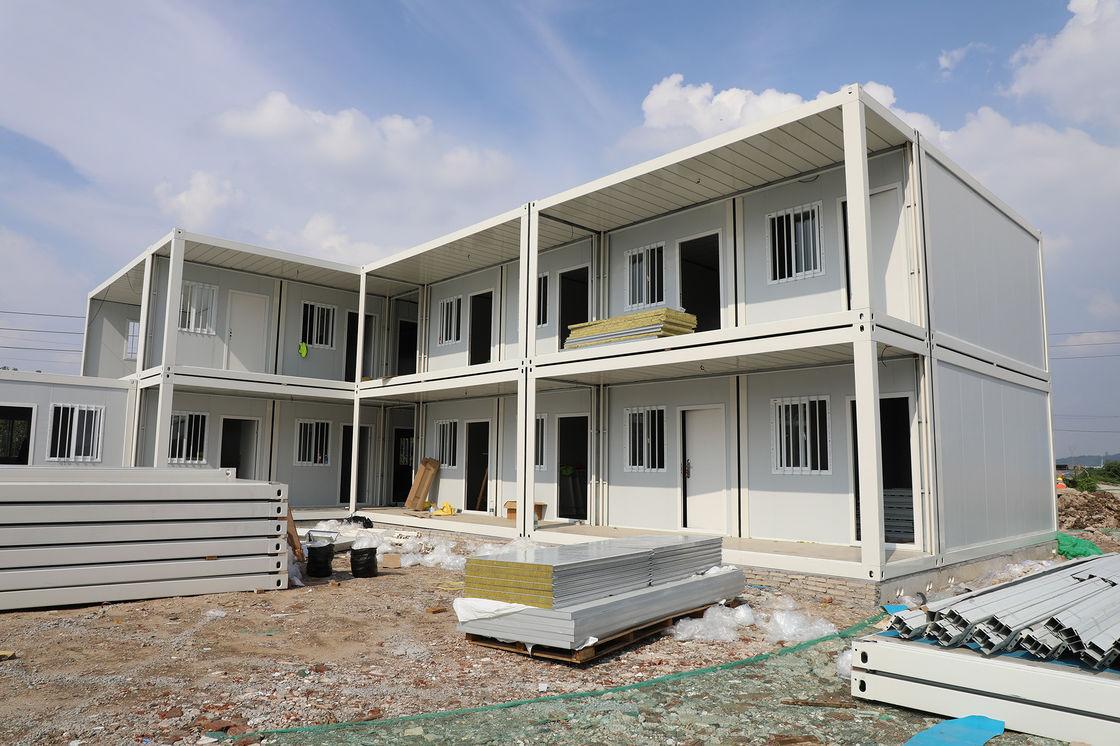


Military Container House: Efficient and Durable Military Housing Solutions
Military container houses have become one of the most innovative solutions for modern military operations. With their versatility, durability, and modular architecture, these units provide efficient, portable, and safe housing for soldiers and personnel in temporary or remote deployments. From barracks and offices to training facilities and storage, military container houses meet a wide range of operational needs.
What Is a Military Container House?
A military container house, also known as a Containerized Housing Unit (CHU), is a prefabricated structure built from modified shipping containers. Originally designed as Conex boxes for transporting military supplies, these containers have been adapted to serve as living quarters, offices, and even medical or training facilities.
CHUs include all essential amenities found in traditional housing, such as beds, electrical systems, lighting, and climate control, while retaining the portability and durability of a shipping container. Their modular design allows them to be stacked, combined, or relocated depending on mission requirements.
Applications include:
• Forward operating bases
• Temporary camps in remote or harsh environments
• Veteran housing and rehabilitation programs

Types of Military Container Houses
1.Barracks
Containerized barracks provide comfortable living quarters for soldiers, including bunks, storage, HVAC, and lighting systems. Unlike tents, these units are secure, weather-proof, and easy to maintain, making them ideal for both domestic and overseas missions.
2.Offices and Command Centers
Modified containers can serve as mobile offices or command posts. Equipped with workstations, laptops, and communication equipment, these units allow officers to manage operations in comfort, even in the field.
3.Training Facilities (MOUT & IED Lanes)
Military Operations in Urban Terrain (MOUT) and IED training lanes can be built using shipping containers. Their modular and portable design enables realistic urban combat simulations, with structures that can be relocated or rearranged as needed.
4.Support Facilities: Mess, Kitchen, Laundry, Bathrooms
Containers can be converted into fully functional support facilities, including:
- Mess halls with tables, chairs, and ventilation
- Kitchens with stoves, sinks, and prep areas
- Laundry rooms with washing machines and folding tables
- Bathrooms with stalls, showers, and drainage systems
5.Specialized Military Units
Some units are modified for tactical purposes, including pop-up weapons stations and secure storage for sensitive equipment. These solutions enhance mobility and operational flexibility.
Benefits of Military Container Houses
Weather Resistance & Durability
Constructed from corrosion-resistant steel, military container houses withstand harsh weather, from sandstorms to snow. Their solid structure protects personnel and equipment, ensuring reliable operation in extreme conditions.
Fast Deployment & Easy Setup
Unlike traditional construction, container units can be delivered and installed within days, often without a concrete foundation. Many come with plug-and-play electrical and plumbing components, simplifying setup in any location.
Mobility & Flexibility
These units are designed for transport via truck, rail, or ship, allowing them to follow military personnel wherever needed. Modular designs enable expansion, downsizing, or combination into larger camps.
Cost-Effectiveness
Building a brick-and-mortar base in a remote area can be time-consuming and expensive. Containers offer ready-to-use facilities that can be customized according to operational needs.
Challenges and Solutions
While military container houses offer numerous advantages, certain challenges may arise:
1. Temperature Regulation: Metal containers can heat up or cool down quickly. Solutions include insulation, HVAC systems, and reflective coatings.
2. Power Supply: Standalone units require electricity. Options include connecting to the grid, solar panels, or diesel generators.
3. Living Facility Modifications:Adding modern kitchens or expanded bathrooms may require additional investment but significantly improves comfort and functionality.
Real-Life Military Container Housing Examples
CHU in the Middle East
At forward operating bases in Iraq and Afghanistan, soldiers stay in Containerized Housing Units (CHUs). Typically aluminum-bodied and measuring 22’ x 8’, these units provide essential living facilities while being lightweight and portable.
Potter’s Lane, California
This initiative transforms recycled containers into housing for homeless military veterans. 54 containers were converted into 16 apartment units, complete with kitchens, HVAC, and communal areas, demonstrating the civilian applications of military container housing.
Camp Lemonnier, Djibouti
Military personnel at Camp Lemonnier benefit from modular container housing for rapid deployment in remote areas. Standardized designs allow quick assembly and flexible layout adjustments.
How to Choose the Right Military Container House
When selecting a containerized military housing unit, consider:
- Purpose: Dormitory, office, training, or specialized unit
- Environment: Climate, terrain, deployment duration
- Customization: Size, interior layout, HVAC, security features
- Supplier Reliability: Ensure quality, delivery, and support
Conclusion
Military container houses provide durable, portable, and flexible housing solutions for both temporary and permanent deployments. With fast deployment, modular design, and cost-effectiveness, they are ideal for barracks, offices, training facilities, and emergency shelters. Whether for field operations or veteran housing initiatives, containerized units continue to transform military accommodation worldwide.
FAQ
1. What is a Conex in the military?
Conex (Container Express) units were originally steel boxes for cargo transport, later adapted for military housing and storage.
2. Do military container houses last?
Yes. With proper maintenance, CHUs can last 20–30 years, even in harsh environments.
3. What types of structures can you build using containers?
Military containers can be used for barracks, offices, storage depots, training facilities, medical units, and tactical stations.
4. What is a CHU?
CHU stands for Containerized Housing Unit, a prefabricated room or module providing living quarters, climate control, and basic furniture for military personnel.