




Smoking Container Rooms in Japan
Hotels, restaurants, and cafes in Japan face strict regulations on indoor smoking. Under the revised Health Promotion Act and local ordinances, smoking is generally prohibited in shared areas, with designated smoking rooms required to meet ventilation and safety standards.
These regulations apply across Japan, although large urban centers such as Tokyo and Osaka often have stricter enforcement and higher pedestrian traffic, making modular packaged smoking booths and container-based smoking rooms particularly practical. Whether you are planning a smoking room in Japan hotel or a public Smoking Box Tokyo, this guide focuses on practical implementation: installation, airflow, size selection, and operational considerations.
Installation and Layout: Indoor and Outdoor Smoking Rooms
Indoor Installation
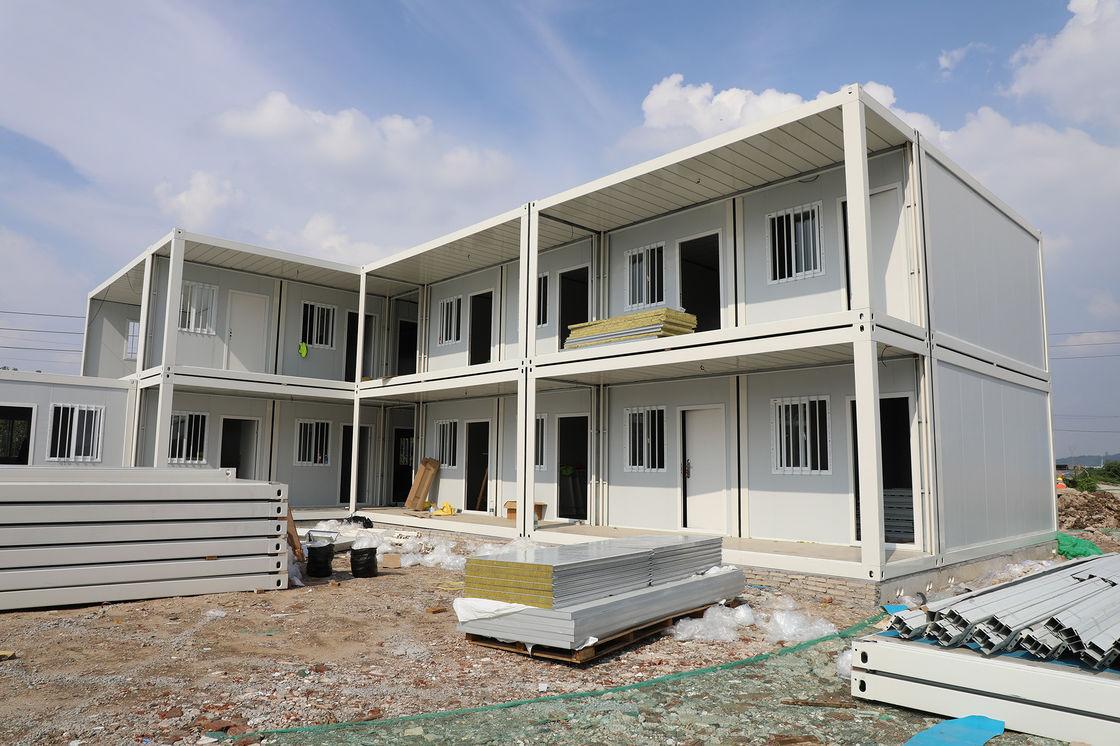
- Standard ISO shipping containers (20 or 40 feet) can be modified as smoking rooms.
- Structural modifications include reinforced corners, sidewalls, and cutouts for doors, windows, ventilation, and utilities. Additional support beams ensure load-bearing stability.
- Insulation options (spray foam, rigid boards, mineral wool) maintain indoor comfort and meet local climate standards.
- Electrical and plumbing installed per Japanese codes, with accessible panels and proper drainage for sinks or fixtures.
Outdoor Installation
- Container-based outdoor smoking areas provide durable, ventilated, and sheltered spaces.
- Key design features: seating, protective roofing, natural airflow, drainage systems, and outdoor lighting.
- Compliance with urban regulations is critical, especially in high-traffic areas such as Tokyo and Osaka, where “aruki tabako” (smoking while walking) is prohibited.
 |
 |
 |
Operational Notes:
- Indoor booths require 1–2 days for installation of structural reinforcements, insulation, and electrical/plumbing connections.
- Outdoor units can be placed on patios, sidewalks, or designated open-air spaces, with minimal site preparation.
- Both options allow for signage placement, guiding guests to clearly marked smoking areas.
Air Filtration and Compliance Measures
Japanese regulations require indoor smoking areas to manage airflow and reduce exposure to non-smokers.
- Air filtration systems include HEPA filters and activated carbon to remove smoke particles and odors.
- Ventilation ensures smoke is processed before being exhausted outside, maintaining air quality in shared spaces.
- Safety features include fire extinguishers, smoke detectors, emergency exits, and door/window sealing for insulation and waterproofing.
- Clear signage is mandatory for compliance.
These measures ensure that smoking rooms meet national and local standards while providing comfort for both smokers and non-smokers.
Selecting Smoking Booth Size and Type
Selecting the appropriate booth or container size is critical for space efficiency and guest experience:
- Compact booths: Suitable for hotel lobbies or small café corners, seating 1–3 people.
- Semi-open booths: Balance ventilation and enclosure, seating 4–6 guests.
- Full-enclosed smoking containers: For high-traffic restaurants or bars, accommodating 6–12 guests.
Layout considerations:
- Indoor units should align with existing pathways to avoid crowding.
- Outdoor units require proper placement to ensure natural airflow and avoid obstructing pedestrian areas.
- Ventilation, electrical, and lighting planning must match the chosen booth size.
Advantages for Hotels and Restaurants
- Reduced cleaning effort: Enclosed booths contain ash and smoke, minimizing maintenance for main dining areas.
- Improved guest experience: Clear separation of smoking and non-smoking zones reduces complaints.
- Space optimization: Modular containers enable fast installation without major remodeling.
- Signage and guidance: Guests can easily locate smoking areas indoors and outdoors.
Case Studies and Quantifiable Results
Examples from urban areas demonstrate practical outcomes, while solutions remain applicable nationwide:
- A Tokyo hotel installed a 20-foot full-enclosed smoking container in its lobby. Result: complaints about smoke dropped 40%, cleaning time reduced 25%, and guest satisfaction improved for both smokers and non-smokers.
- An Osaka restaurant added two semi-open packaged smoking booths on its terrace. Result: high-traffic smokers accommodated efficiently, reducing indoor smoke exposure and maintaining compliance.
- Malls and stations have implemented outdoor container booths with seating and lighting, showing improved traffic flow and fewer rule violations.
Visual planning includes layout diagrams showing booth placement relative to entrances, walkways, and ventilation paths. These examples highlight how container-based smoking rooms solve compliance and operational challenges in dense urban areas while remaining applicable across Japan.
Conclusion: Nationwide Compliance with Practical Implementation
Using packaged smoking booths or container-based smoking rooms, venues across Japan can:
1. Comply with the Health Promotion Act and local ordinances nationwide.
2. Provide indoor and outdoor spaces with effective ventilation and air filtration.
3. Optimize guest comfort, safety, and operational efficiency.
4. Reduce complaints and maintenance needs while maintaining clear signage and flow.
For venues planning new installations, consider booth size, indoor or outdoor placement, airflow design, and safety features. A well-planned smoking room allows staff to manage operations efficiently and ensures guests have clearly defined spaces for smoking.
Explore packaged smoking booths or container smoking rooms for your property, view installation options, or check Tokyo and Osaka smoking area maps to plan designated spaces.