


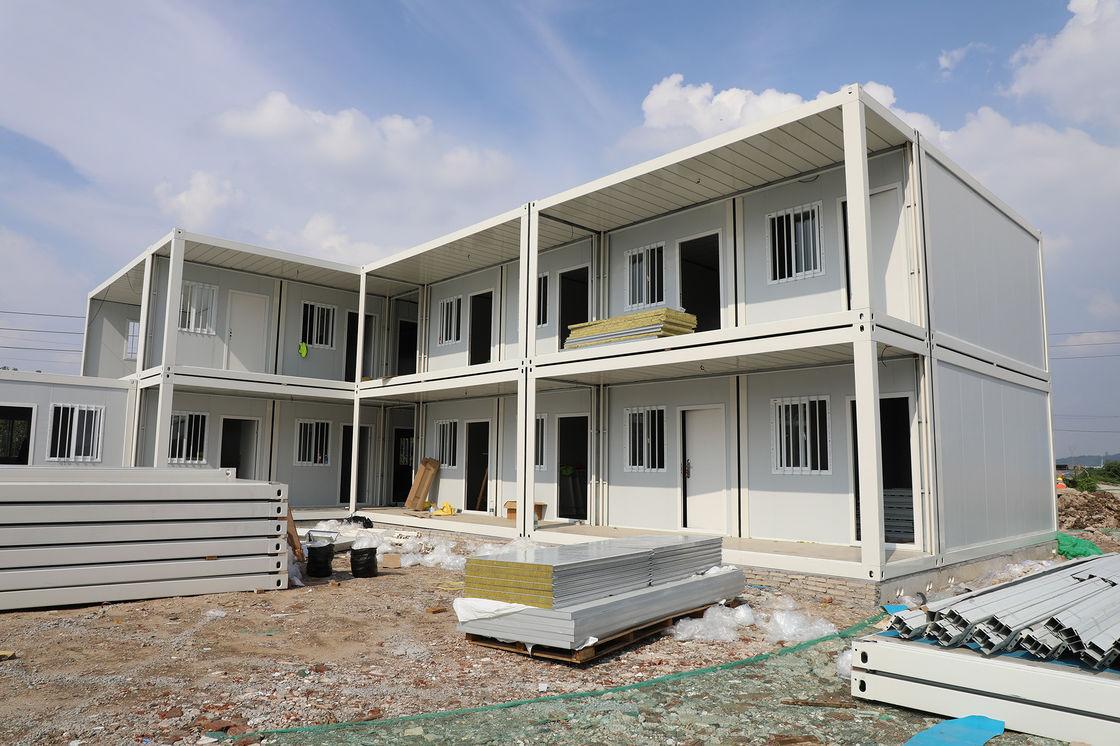


Ultimate Guide to Container Houses
Embark on a comprehensive journey into the world of container houses, exploring everything you need to know about these innovative and sustainable dwellings. From understanding the basics to delving into design considerations and construction processes, this ultimate guide equips you with the knowledge to make informed decisions and create your dream container home.
In the realm of architecture and construction, container houses have emerged as a captivating alternative to traditional dwellings, offering a unique blend of affordability, sustainability, and design versatility. Their eco-friendly appeal and cost-effectiveness have attracted individuals seeking innovative and stylish living solutions. However, venturing into the world of container homes requires a thorough understanding of the fundamental principles and considerations involved. This comprehensive guide serves as your ultimate resource, providing in-depth insights into the world of container houses.
Delving into the Basics of Container Houses:
At their core, container houses are structures constructed from repurposed shipping containers, typically made from robust corrugated steel. These containers, initially designed for transporting goods across oceans, have found a new purpose as the foundation for modern homes. Container houses offer a variety of advantages, including affordability, durability, sustainability, and design versatility.
Exploring the Benefits of Container Homes:
The allure of container houses lies in their multitude of benefits, making them an attractive option for many homeowners. Their affordability is a primary draw, as the cost of constructing a container home is often significantly lower compared to traditional methods. Additionally, container homes offer remarkable durability, withstanding harsh weather conditions and ensuring long-lasting resilience.
Sustainability at the Forefront:
Container houses embody the principles of sustainability, aligning with the growing movement towards eco-conscious living. By repurposing shipping containers, these structures minimize waste and promote resource conservation. Moreover, container homes can be designed to incorporate energy-efficient features, further reducing their environmental impact.
Design Versatility: A Realm of Possibilities:
Container houses epitomize versatility, offering a blank canvas for architects and designers to unleash their creativity. These structures can be seamlessly modified into various styles, from rustic and industrial to modern and contemporary. Additionally, container homes can be combined to create expansive living spaces, catering to the needs of growing families or those seeking ample room.
Navigating the Design and Construction Process:
Designing and constructing a container home requires careful consideration of various factors, including layout, functionality, and aesthetics. Efficient space planning is crucial, ensuring optimal utilization of the container's dimensions. Additionally, incorporating natural light and ventilation is essential for creating a comfortable and inviting living environment.
Container houses stand as a testament to innovation and sustainability, transforming once-ordinary shipping containers into extraordinary living spaces. Their affordability, durability, eco-friendliness, and design versatility make them an appealing choice for individuals seeking a unique and sustainable approach to modern living. As the demand for sustainable and affordable housing continues to rise, container houses are poised to play an increasingly prominent role in shaping the future of residential architecture.