

News




0102030405
What is an Assemble House?
2026-04-21
In modern construction, speed, flexibility, and sustainability are increasingly critical. An Assemble House is a detachable steel structure building system designed for quick installation, disassembly, relocation, and repeated reuse. Unlike traditional buildings, these prefabricated structures allow companies and governments to deploy housing or office solutions in days rather than months, while reducing lifecycle costs and environmental impact. This guide explores everything B2B project stakeholders need to know about detachable houses, from structural features to typical applications, cost considerations, and long-term durability.
What is an Assemble House?
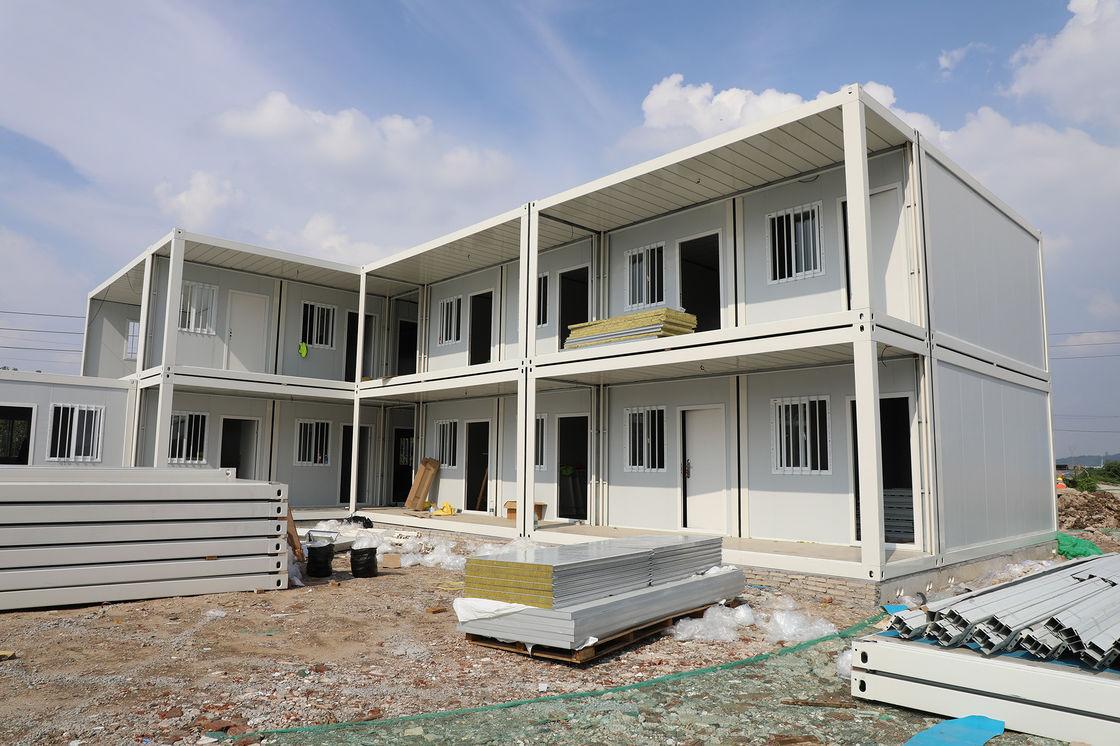
An Assemble House is a detachable steel structure prefab building system composed of standardized, modular components that can be bolted together on-site. The system is engineered to be fully detachable, relocatable, and reusable, delivered in flat-pack format for efficient transportation. Key characteristics include:
-
Bolt-connected steel frame for high structural stability without welding
-
Detachable structure, allowing relocation or reconfiguration
-
Reusable building system, designed for multiple project cycles
-
Flat-pack delivery, optimizing container loading and reducing logistics costs

These houses are also known as demountable houses or knock down houses, suitable for relocatable housing solutions in construction, mining, military, disaster relief, and temporary office applications.
Core definition:
Assemble House is a detachable steel structure building system designed for quick installation, disassembly, relocation, and repeated reuse.
What Makes an Assemble House Different from Traditional Buildings?
Unlike conventional construction, an Assemble House emphasizes flexibility, speed, and cost-effectiveness. A side-by-side comparison highlights the differences:
| Feature | Assemble House | Traditional Building |
| Detachable | Yes | No |
| Reusable | Multiple times | No |
| Construction Time | Days to weeks | Months |
| Foundation Requirement | Light foundation | Permanent concrete |
| Lifecycle Cost | Lower | Higher |
Key differentiators include:
-
assemble house vs traditional building: Can be dismantled and reused multiple times
-
detachable house vs conventional construction: Rapid on-site assembly without wet works
For B2B projects, these benefits translate into shorter deployment schedules, lower upfront capital expenditure (CAPEX), and reduced long-term operational costs.
How Does an Assemble House Work?
1.Engineering & Structural Design
The process begins with detailed engineering drawings and structural analysis. Standardized steel components are designed to meet wind, seismic, and fire safety standards, ensuring long-term durability while maintaining ease of assembly.
2.Factory Fabrication of Components
Steel frames, wall panels, roof modules, and insulation components are prefabricated in a controlled factory environment. This allows precision quality control and avoids on-site welding or cutting, which are common in traditional construction.
3.Flat-Pack Transportation
Prefabricated modules are packed flat for maximum container efficiency. This reduces freight cost, facilitates international shipping, and simplifies logistics for remote project sites.
4.On-Site Bolt Assembly
Modules are assembled on-site using bolts, eliminating the need for heavy machinery or specialized labor. Panels, roof structures, and frames are connected quickly, allowing full occupancy in days to weeks.
5.Future Disassembly & Relocation
Once a project is complete, the house can be disassembled, transported, and reassembled elsewhere, maintaining structural integrity and minimizing material waste
Core Structural Features of an Assemble House
Bolt-Connected Steel Frame System
-
No welding required: Simplifies assembly and reduces safety hazards
-
High structural stability: Meets international ISO and CE standards
Panelized Wall & Roof System
-
Sandwich panels with various insulation options (EPS, rock wool, polyurethane)
-
Modularized design for fast installation and low maintenance
Modularized Standard Components
-
Components are interchangeable, allowing easy replacement of damaged parts
-
Reduces downtime and maintenance costs
Flat-Pack Shipping Design
-
Designed for high container loading efficiency, reducing transportation cost
-
Optimized for international relocatable housing projects
Key Advantages of an Assemble House
1.Fully Detachable and Relocatable Can be disassembled and moved multiple times, ideal for construction site accommodation and temporary worker housing.
2.Fast Installation On-site assembly takes days rather than months, allowing projects to meet tight schedules and minimize labor costs.
3.Lower Lifecycle Cost Reusable components reduce the need for new construction, making it economically efficient over time.
4.Sustainable & Environmentally Friendly Prefabrication reduces waste and onsite emissions. Materials are often recyclable, aligning with green building standards.
5.Suitable for Temporary & Long-Term Projects Ideal for labor camps, mining sites, remote project offices, and disaster relief, offering flexibility without compromising structural integrity.
Typical Applications of Assemble Houses
-
Construction Site Accommodation: Rapidly deployable housing for workers
-
Labor & Worker Camps: Efficient, comfortable living spaces for temporary teams
-
Mining & Oil Field Camps: Durable housing in remote and challenging locations
-
Military Temporary Housing: Modular units that meet strict standards
-
Disaster Relief Housing: Fast-response shelters for emergency situations
-
Temporary Office Buildings: Reusable office spaces at project sites
-
Remote Area Housing: Prefabricated homes for isolated areas

Are Assemble Houses Durable and Safe?
Engineered for long-term performance, an Assemble House includes:
-
Wind Resistance: Designed to withstand high wind loads
-
Seismic Resistance: Meets earthquake-resilient standards
-
Fireproof Materials: Non-combustible wall panels and roofing
-
Anti-Corrosion Treatment: Galvanized or powder-coated steel
-
Service Life: 10–20+ years depending on specifications
How Much Does an Assemble House Cost?
The cost of an Assemble House depends on configuration:
-
Building size and layout
-
Steel frame specification
-
Panel thickness and insulation type
-
Quantity and batch production
-
Transportation distance
While prices vary, the ability to disassemble and reuse significantly reduces long-term costs, offering higher ROI than single-use structures.
Frequently Asked Questions (FAQ)
How many times can an Assemble House be reused?
Typically, components can be reused multiple times with minimal maintenance, depending on handling and environmental conditions.
Do assembled homes require a concrete foundation?
No, lightweight foundations are sufficient, though soil type and local codes may affect requirements.
Can assemble houses withstand extreme weather?
Yes. Designed for high wind and seismic loads, fireproof panels, and anti-corrosion treatment ensure durability in challenging environments.
Is assembled house suitable for long-term use?
Yes. With proper maintenance, service life ranges from 10–20+ years.
How long does installation take?
Standard modules can be fully assembled within days to weeks, far shorter than traditional construction timelines.
Why Assemble Houses Are Ideal for Modern Project-Based Construction
Global infrastructure growth and workforce mobility demand flexible building solutions. Companies increasingly control CAPEX while adopting sustainable construction practices. Assemble Houses are not temporary “low-quality shelters” but engineered reusable building systems that meet modern project needs efficiently and responsibly.
Conclusion: Is an Assemble House Right for Your Project?
An Assemble House offers a detachable, reusable, cost-effective, and fast-delivery solution for B2B projects. Its adaptability makes it ideal for construction sites, labor camps, remote offices, and temporary projects. Contact us for more details now.
Invest in a relocatable steel structure solution and transform the way you deploy housing and office infrastructure.