

News




0102030405
What is PU Sandwich Panel?
2025-09-26
Polyurethane (PU) Sandwich Panels are one of the most widely used building materials in modern construction. Known for their excellent thermal insulation, lightweight structure, and durability, PU sandwich panels have become the preferred choice for industrial, commercial, and residential buildings. Whether for walls, roofs, or prefabricated houses, these panels combine efficiency with versatility.

Structure and Composition of PU Sandwich Panels
PU Sandwich Panels are composite building materials composed of three layers:
-
Core Layer: Rigid polyurethane foam (PU foam) provides superior thermal and acoustic insulation.
-
Outer Layers: Structural materials, typically metal or fiberglass, provide strength and protection.
-
Thickness & Length: Panels can vary in thickness from 40 mm to 200 mm and lengths from 3 m to 16 m, making them adaptable to a wide range of construction projects.
Some panels use PUR (polyurethane foam), while others use PIR (polyisocyanurate foam) for better fire performance. The choice depends on insulation requirements and project specifications.

Key Features of PU Sandwich Panels
PU sandwich panels offer numerous advantages that make them suitable for modern construction:
-
Excellent Insulation: The PU core ensures low thermal conductivity, keeping interiors cool in summer and warm in winter.
-
Lightweight & Durable: Easy to handle and install without compromising structural integrity.
-
High Structural Strength: Can withstand compressive, tensile, and shear forces.
-
Moisture and Fire Resistance: Resistant to water, mold, mildew, and flames.
-
Versatility & Aesthetics: Available in various colors and finishes, including tile, brick, and wood patterns.
-
Ease of Installation: Panels can be quickly installed with visible or concealed screws, saving time and labor costs.
Applications of PU Sandwich Panels
PU sandwich panels are used across diverse industries:
-
Building Construction: Wall and roof panels in industrial, commercial, and residential buildings.
-
Cold Storage: Insulation for refrigerated warehouses and cold rooms.
-
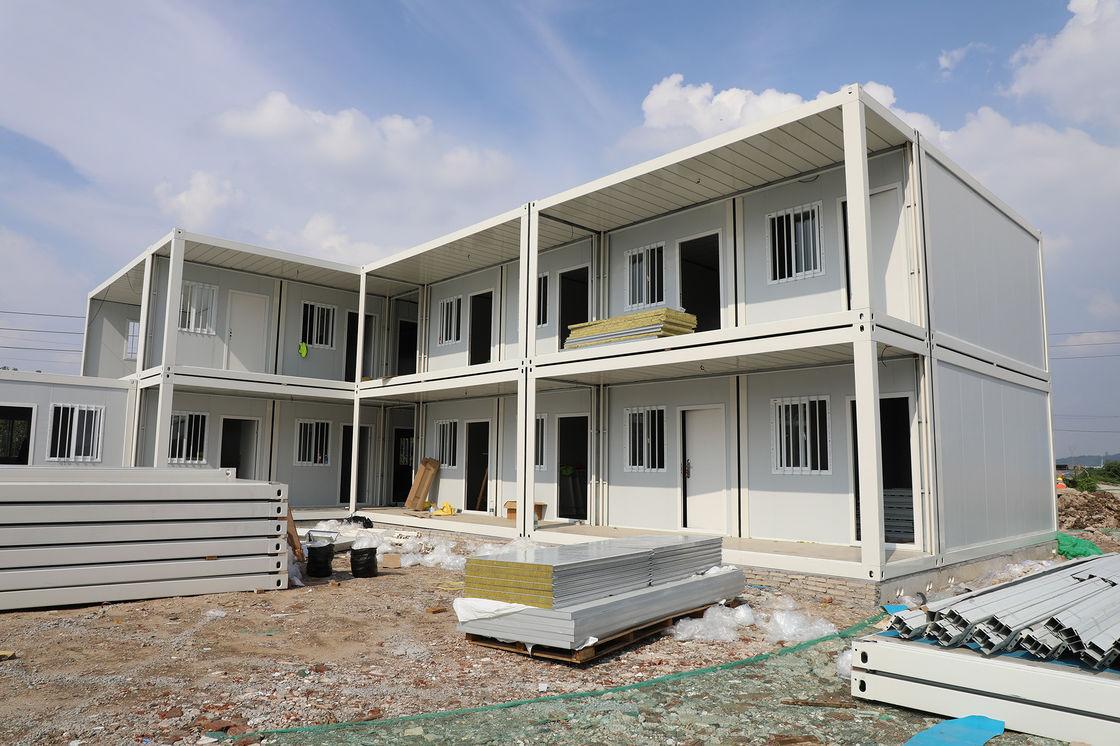
Portable Shelters & Prefab Houses: Temporary or movable homes, cabins, and shelters.
-
Transport: Walls and roofs for trailers, truck bodies, and shipping containers.
-
Clean Rooms & Labs: Controlled environments in laboratories or electronics manufacturing.
-
Agricultural Buildings & Sports Facilities: Barns, stables, gyms, and indoor arenas.
Installation Guide for PU Sandwich Panels
Installing PU sandwich panels involves several key steps:
-
Preparation: Ensure all personnel, materials, and tools are ready.
-
Check Structures: Verify wall purlins’ verticality and frame alignment.
-
Install Water Barriers: Fix barriers at the bottom of panels and windows with self-tapping screws.
-
Panel Fixing: Horizontally and vertically connect panels, filling any gaps with insulation to prevent heat or moisture loss.
-
Finishing: Ensure proper sealing at joints to maintain thermal efficiency.
PU Sandwich Panels vs Traditional Building Materials
Compared to wood, brick, or tiles, PU sandwich panels offer:
-
Higher energy efficiency and better insulation
-
Faster construction and reduced labor costs
-
Lightweight and easy relocation for prefabricated structures
-
Greater durability against weather, moisture, and fire
PU Sandwich Panels VS Rockwool Sandwich Panels: What Is More Suitable for Prefabricated Houses? (H2)
When deciding between PU and Rockwool panels:
| Feature | PU Panels | Rockwool Panels |
| Thermal Insulation | Excellent | Very Good |
| Fire Resistance | Moderate to High (PIR better) | Excellent |
| Weight | Lightweight | Heavier |
| Moisture Resistance | Excellent | Moderate |
| Cost | Moderate | Higher |
PU panels are ideal for lightweight, energy-efficient prefabricated houses, while Rockwool panels are preferred for applications requiring superior fire protection.
Advantages of Using PU Sandwich Panels for Construction
-
Energy Efficiency: Reduces heating and cooling costs
-
Durability: Long-lasting and weather-resistant
-
Versatility: Suitable for walls, roofs, floors, and portable structures
-
Eco-Friendly: Recyclable and reduces material wastage
-
Cost-Effective: Reduces labor and installation time
-
Fire & Moisture Protection: Ensures safe and healthy living environments
Common Sizes and Customization Options
PU sandwich panels are highly customizable:
-
Width: Usually 1,000 mm; some models up to 1,150 mm
-
Length: Adjustable, commonly 3–6 m; up to 16 m in special cases
-
Thickness: 40–200 mm depending on insulation needs
-
Design Options: Tile patterns, wood textures, and brick finishes
-
Color Variants: Multiple colors to match project aesthetics
Conclusion: Why Choose PU Sandwich Panels for Your Project?
PU Sandwich Panels are a versatile, cost-effective, and durable solution for modern construction. They combine excellent thermal insulation, structural strength, and lightweight design, making them perfect for prefabricated houses, warehouses, cold storage facilities, and more. Choosing PU panels can reduce energy consumption, simplify installation, and enhance building aesthetics, providing a long-term, sustainable solution.